| Sign In | Join Free | My burrillandco.com |
|
... can produce dazzling white light, magnesium and fluoride, hydrofluoric acid and chromic acid does not occur role, but also could not rust caustic alkali, but easily dissolved in organic and inorganic acids....
... burned can produce dazzling white light, magnesium and fluoride, hydrofluoric acid and chromic acid does not occur role, but also could not rust caustic alkali, but easily dissolved in organic and inorganic...
... dazzling white light, magnesium and fluoride, hydrofluoric acid and chromic acid does not occur role, but also could not rust caustic alkali, but easily dissolved in organic and inorganic acids. ......
... can produce dazzling white light, magnesium and fluoride, hydrofluoric acid and chromic acid does not occur role, but also could not rust caustic alkali, but easily dissolved in organic and inorganic acids....
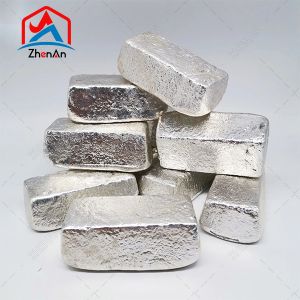
...Magnesium metal has strong reducing properties, releasing hydrogen when reacting with hot water. When burned, it produces a brilliant white light. Magnesium does not react with fluoride, hydrofluoric acid, o...
... and producing bright white light when burned. It resists reaction with fluoride, hydrofluoric acid, and chromic acid, and does not corrode in caustic alkali solutions, but dissolves readily in organic and i...
... burned, it produces a dazzling white light. Magnesium does not react with fluoride, hydrofluoric acid, or chromic acid, and is resistant to caustic alkalis, but dissolves easily in organic and inorganic aci...
... burned can produce dazzling white light, magnesium and fluoride, hydrofluoric acid and chromic acid does not occur role, but also could not rust caustic alkali, but easily dissolved in organic and inorganic...
... Magnesium metal has strong reducing properties, releasing hydrogen when reacting with hot water and producing a bright white light when burned. It resists reaction with fluoride, hydrofluoric acid, and chro...
... Specifications: AWS E7018 is an outstanding quality all position welding electrode covered with extra low hydrogen potassium type coating for hig tensile strength mild steels and low alloy steels.Its nomina...
... is a synthetic zeolite of A-type crystal structure in potassium-sodium form with a pore opening of 4 angstroms (0.4 nm). Adsorb water, methanol, ethanol, hydrogen sulfide, sulfur dioxide, carbon dioxide, et...
...-sodium form with a pore opening of 4 angstroms (0.4 nm). Adsorb water, methanol, ethanol, hydrogen sulfide, sulfur dioxide, carbon dioxide, ethylene, propylene, NH3, H2S, CO, methyl chloride, methyl bromide...
... sieve is a synthetic zeolite of A-type crystal structure in potassium-sodium form with a pore opening of 4 angstroms (0.4 nm). Adsorb water, methanol, ethanol, hydrogen sulfide, sulfur dioxide, carbon dioxi...
... paratungstate in air at about 500℃ to tungsten trioxide, or slightly reduce it to blue tungsten oxide in hydrogen at about 450℃. The tungsten filaments for making incandescent lamp filaments need to be dope...
... (KCN), and hydrogen cyanide (HCN). These simple cyanides are water-soluble and highly toxic. Cyanides are rapidly absorbed by the human body through ingestion, inhalation, or ......
... hydrogen ion. Fluorocarbon coatings are therefore characterized by certain physical and chemical properties, which we will discuss in a bit more detail later on. PVDF stands for Polyvinylidene Fluoride. A P...
...needs. There are sixteen kinds of nutrient elements necessary for plant growth and development, including carbon (C), hydrogen (H), oxygen (O), nitrogen (N), phosphorus (P), potassium (K), calcium (Ca), magn...
...easily be confused with hemosiderin or lipofuscin. Therefore, melanin staining or melanin bleaching is required for differentiation. This reagent uses a melanin-bleaching method. Both hydrogen peroxide and p...